In this webinar Dr. Diane Addie share with us her knowledge about feline coronavirus (FCoV) from the start of its journey in a stool passed into a cat litter tray, into the mouth of a FCoV-naïve cat, down through the oesophagus into its first target: the epithelial cells of the villi of the small intestine.
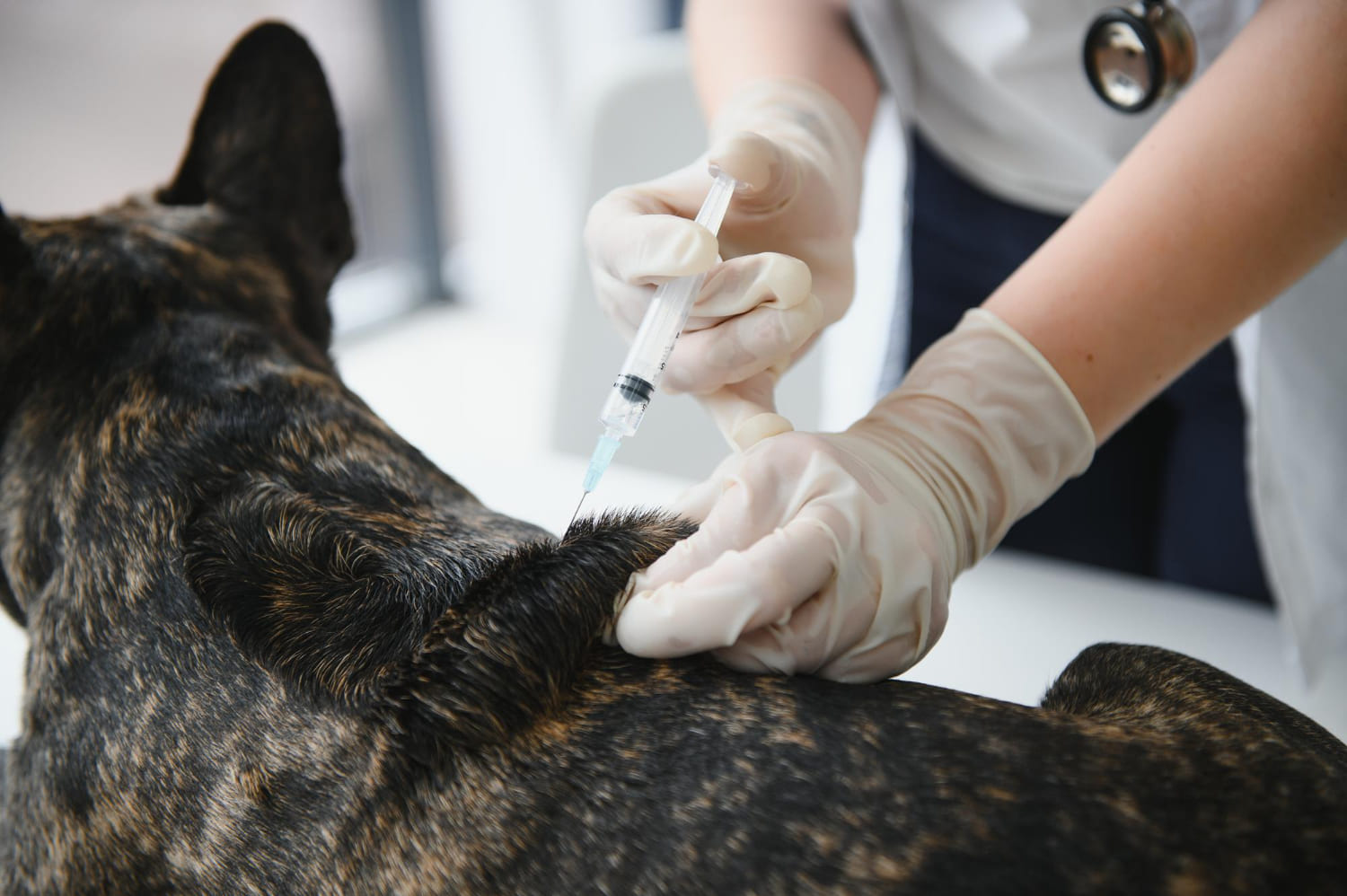
The American Veterinary Medical Association (AVMA) and The World Small Animal Veterinary Association (WSAVA) recommends that dogs and cats receive essential immunizations as pups and kittens. The core vaccines defend against highly contagious diseases that can infect dogs or cats at any stage of their lives; however, puppies and kittens are in greater danger of infection.
The following question and answer series aims at addressing some misconceptions relating to core vaccination of pets. Core vaccines for dogs are those that confer protection against infection by canine distemper virus (CDV), canine adenovirus (CAV; types 1 and 2), and canine parvovirus type 2 (CPV-2) and its variants. The core vaccines for the felines are given to confer protection against infection by feline calicivirus (FCV); feline herpesvirus-1 (FHV-1); and feline panleukopenia (FPLV).
1.Why shouldn’t puppies and kittens be vaccinated immediately after weaning at around 3 weeks of age?
The primary risk factor for vaccination failure is the presence of humoral neutralizing antibodies in the blood of very young animals. These antibodies are acquired from the mother at birth and are known as “Maternally Derived Antibodies (MDAs)”. As long as the maternal antibodies remain above a certain level,
they will neutralize any modied live vaccines employed during vaccination. Over time, the MDAs are metabolized, leaving the young pet vulnerable to infections. Puppies and kittens exhibiting low levels of MDAs may be susceptible to infections but still possess the capacity to respond to vaccinations at an early developmental stage. In contrast, others may exhibit high levels of MDAs, such that they are incapable of responding to vaccination.
For this reason, no single primary vaccination protocol suits all possible situations. In certain cases, the stage at which maternal antibodies are less likely to interfere with the animal’s natural immunity can be determined by Titer Testing at the vet clinic.
2.When is it safe for puppies and kittens to interact with other pets after vaccination?
To ensure that the vaccines aect a threshold of protection and lead to the development of immune memory, core vaccines are given multiple times (three to four injections between the ages of six and sixteen weeks). As mentioned above the presence of MDAs can prevent the initiation of vaccine-derived immunity. It is preferable to detect a lack of immunity as early as possible.
To ensure that the animals have developed immunity following completion of the initial vaccination protocol, pet owners should request that their young pets be Titer Tested at approximately 20 weeks of age; only then should they be permitted to interact with other animals.
3.Are core vaccinations necessary for indoor pets despite limited direct contact with other animals?
The core diseases are highly contagious viral infections that aect both canines and felines. The viruses are transmitted through direct contact with infected animals,
respiratory secretions, urine, and feces. It is also possible to acquire the virus through contact with contaminated objects. If not treated promptly the disease can become severe or fatal.
The viruses are ubiquitous in areas where dogs and cats congregate. Owners may unwittingly transport the infective agent on their shoes or hands. Even if pets are maintained in closed quarters, it is still highly recommended to core vaccinate and to Titer Test to ensure that they have truly developed a level of protective immunity that will result in the elimination of pathogens before they can colonize in the host.
4.What is the recommended schedule for Parvo, Distemper, or Adeno viruses’ boosters in canines?
Vaccines should not be administered when not necessary. According to the World Small Animal Veterinary Association (WSAVA) Vaccination Guideline Group (2024):
“The integral part of core vaccination of puppies and kittens is the ‘booster’ vaccine that has traditionally been given either at 12 months of age or 12 months after the last of the primary series of puppy vaccines. Dogs that have responded to vaccination maintain a solid immunity for many years in the absence of any repeat vaccination. Following the 26 or 52-week booster, subsequent revaccinations are given at intervals of 3 years or longer. Core vaccines should not be given any more frequently than every three years after the 6‐ or 12‐month booster injection following the puppy/kitten series.”
“Puppies in which serological testing at 20+weeks of age reveals protection against CPV, CDV and CAV do not need the 26+week vaccination.”
5.How does Titer Testing help determine whether a pet needs vaccination?
Core vaccine Titer Testing is a scientically conrmed method for determining immunity and protection against the core diseases. Vaccination does not always lead to immunity and a fully vaccinated dog or cat may not be “immune” to disease.
Titer Testing is a tool to assist in identifying animals that would benet from vaccination as well as the immune pets which will not benet from receiving additional doses of the vaccine virus. While the risk of vaccine-related adverse responses is low, even a modest risk is not worthwhile if the patient will not benet. In-clinic antibody tests that give accurate semiquantitative results are convenient and have been proven to correlate closely with laboratory functional, quantitative titer tests. In all cases, it is important to use an in-clinic kit that has been validated by sources other than the manufacturer and has a proven track record of quality control.