6 Points You Need to Know Before Testing for Anaplasma Platys

Introduction:
- Anaplasma platys (previously named Ehrlitchia platys) is the etiologic agent of Canine Infectious Cyclic Thrombocytopenia in tropical and warm regions of the world.
- The Brown dog tick (Rhipicephalus) and Dermacentor spp. of ticks are the most suspected vectors of transmission.
- Following tick transmission, dogs can remain sub–clinically infected and chronically harbor the bacteria for months without showing symptoms of disease
- A. platys are the only rickettsia known to infect platelets.

Blood smear limitations
Blood smear evaluation is an unreliable method for the diagnosis of A platys due to cyclic parasitemia and artifacts similar to inclusion bodies.
Testing indications
Thrombocytopenia
Dogs which have been exposed to ticks
Accuracy
Commercial in–house rapid serologic tests are subject to cross reactivity between A. platys and A. phagocytophilum.
Accurate species identification can only be achieved with PCR assays.
Recommendations
It is recommended to test for additional canine vector-borne pathogens since co-infections are common.
This state may exacerbate the disease severity and alter the clinical presentation resulting in a complicated diagnosis, treatment and prognosis.
Serology Vs PCR
Infected dogs might display a negative serologic results early in the course of the disease, when PCR assay is expected to be positive.
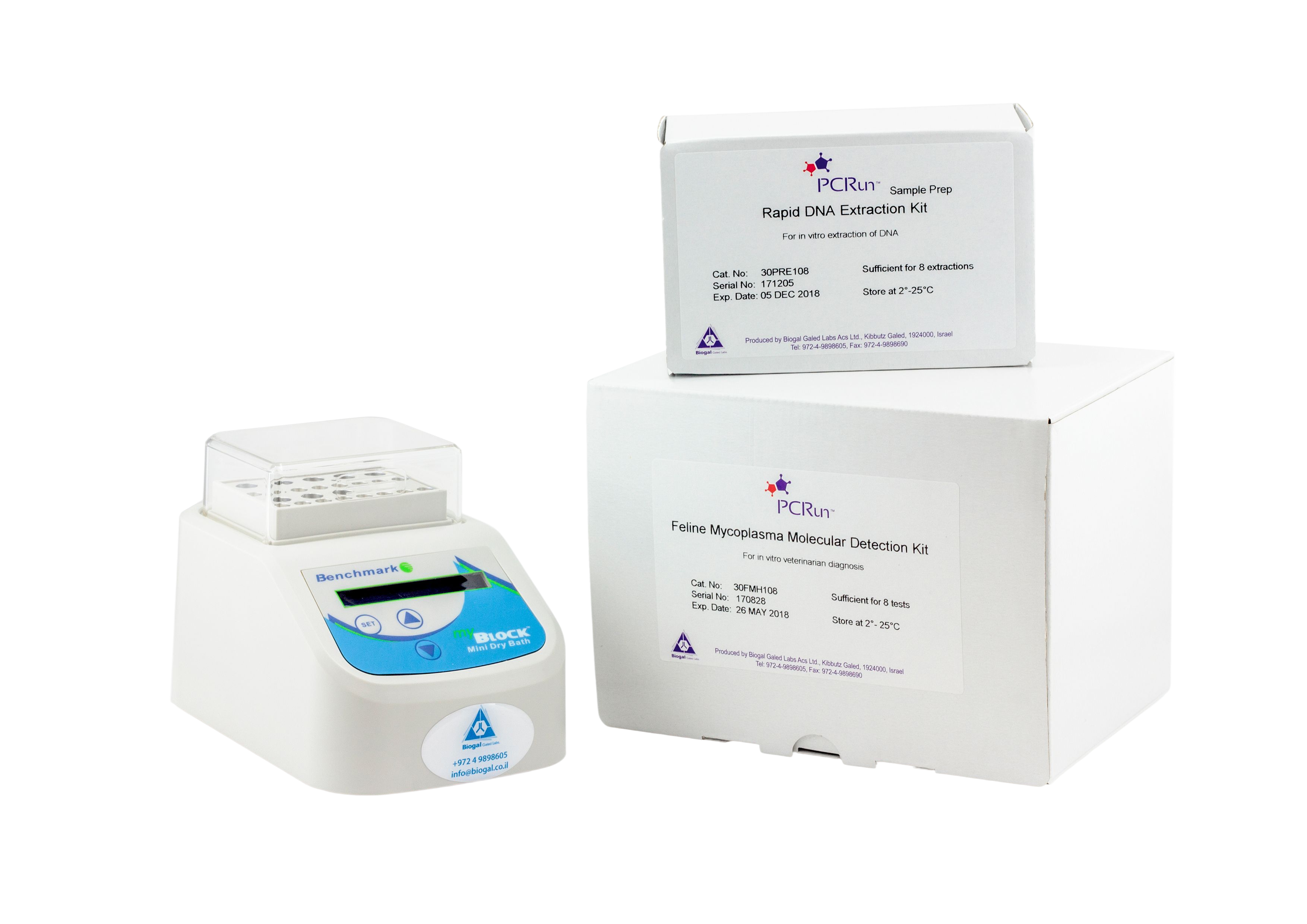
PCRun Kit
PCRunR detection kit is a sensitive tool for accurate diagnosis of acute A. platys infection in dogs, as early as 4-10 days post infection and in later cyclic parasitemic stages.
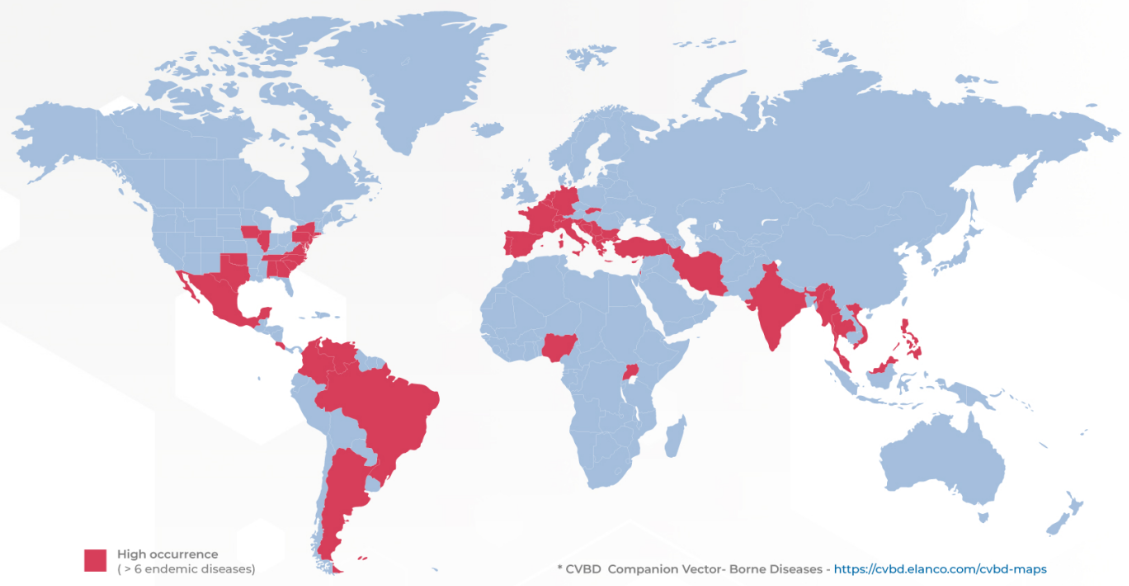
Endemic Map